Most delivery bag failures are not material failures. They are specification failures — a bag that was ordered against a photograph instead of against the shift it has to survive.
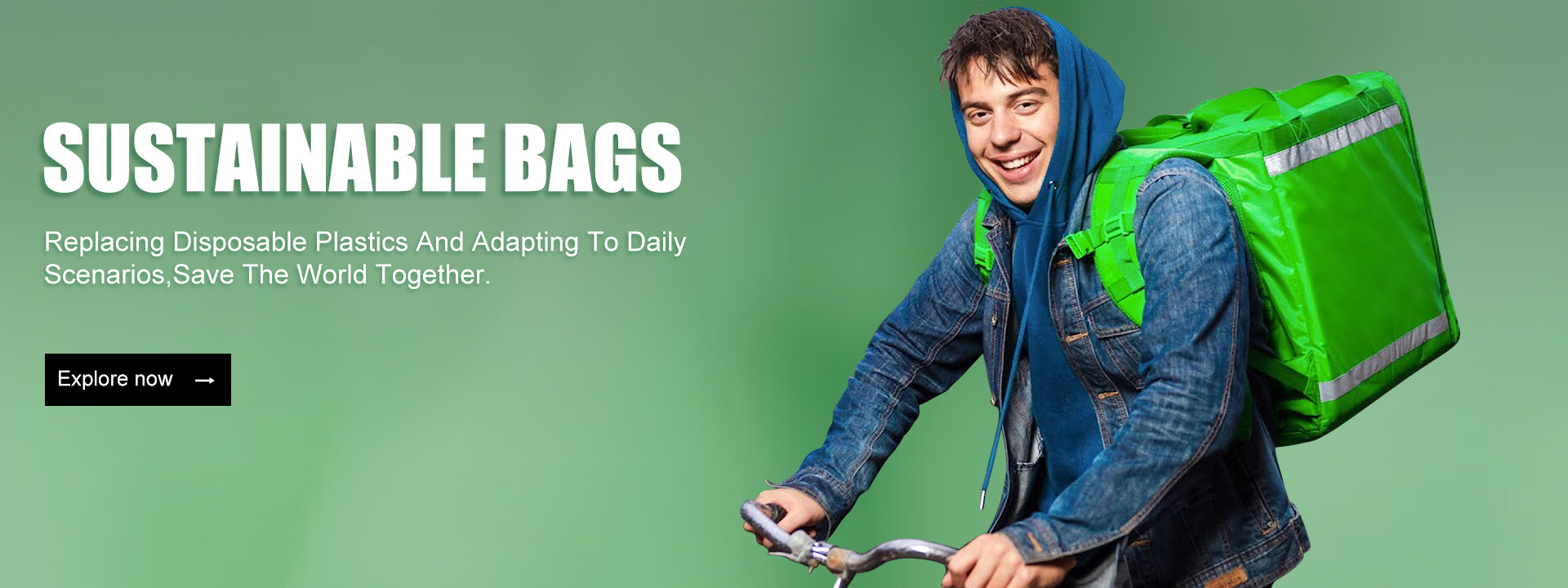
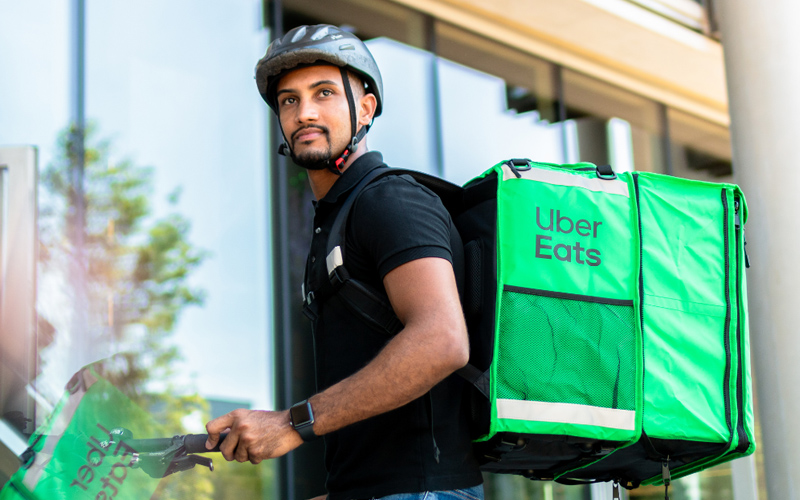
Night work and rain are the two conditions that expose the difference fastest. Both are routine for the riders serving Uber Eats, Wolt, DoorDash, Glovo, Deliveroo, Just Eat and Lalamove across Europe, and both are usually treated as afterthoughts in the purchasing conversation. What follows is how we approach them at Herisen, including one rainy-market project where the buyer's requirements turned out to differ from what the style name suggested.
Discover how semi-rigid food delivery bags with removable hard panels, 15mm thermal foam, and modular dividers protect multi-order deliveries for high-frequency courier operations.
In last-mile food delivery, insulation is only one part of performance. Riders and restaurant staff also need fast access, stable packaging, easy cleaning and a layout that works for mixed orders.
A courier may open the same bag repeatedly during a shift—at pickup, during order checks and at every customer handover. If the opening system is slow or the interior is poorly organized, small delays and handling errors can accumulate across the route.
That is why some delivery operators are exploring a different configuration: a zipper-free insulated delivery bag with a magnetic lid and a separate drink compartment.
This design is not the right answer for every route. However, when engineered around the real order mix, it can reduce handling friction while keeping food and beverages better organized. For restaurants, cloud kitchens, grocery services and last-mile fleets, the value lies not in removing a zipper for its own sake, but in creating a more efficient loading and handover system.